
Where Analytics Become Decisions: A Look at Databricks Apps

Within Databricks, Dashboards are frequently used to surface data to this audience and provide quick internal visibility.

However, anyone who has relied on Databricks Dashboards as a presentation layer will be familiar with their limitations. Interactivity is constrained, large datasets are often truncated, version control is minimal, cross-dashboard interactions are not supported, and geospatial visualisation options are fairly limited and difficult to customise.

Data Platforms That Deliver – 10 Product Thinking Ideas To Apply

Picture the scene… 
You’re three years in, millions spent and a technically impressive data platform has now been sitting proudly in production for a few months. 
And yet, wider adoption is anaemic. Business units are still building shadow systems and the data team spends most of their time fielding complaints and one-off manual requests. 
Unfortunately, this is not as unique a case as it should be with industry research suggesting anywhere from 60-85% of data platform deliveries fail to deliver on their promise. The interesting wrinkle, though, is that these failures are not primarily technical but are rooted in process and mindset, especially neglecting user needs, misaligned outcomes, lack of ownership and absence of effective feedback loops between technology teams and end users. 
This is where product thinking can bring real tangible benefits. At Unifeye we’ve built our practice around a simple principle: data platforms succeed when they’re treated as products, not standalone projects. That means dedicated ownership, user-centric design, continuous feedback and value-based measurement all underpinned by adaptive delivery practices and organisational change support. 
The reality is your data platform is a product and even if you don’t treat it that way your users will. They’re making adoption decisions, comparing it to alternatives and voting with their feet when it doesn’t meet their needs.

Traditional ML meets Databricks’ AI/BI Genie

For the Databricks Free Edition Hackathon, I wanted to show that traditional machine learning still has a big role to play today, and how it can work hand in hand with Databricks’ newer AI tooling. As a concrete use case, I built a recipe recommendation engine that suggests relevant recipes to users: classic natural language processing (NLP) and topic modelling structure the data, and AI/BI Genie helps surface that value for end users. Both approaches work together rather than replacing one another. 

I have always been interested in using NLP tools to analyse classical Arabic texts, but I had never built an end to end solution in Databricks that brings an NLP pipeline to life. This felt like the perfect opportunity to do exactly that.

Predicting Power Grid Blackouts from Space Weather

Hackathons give you the freedom to approach problems from different angles. Most of the time you’re handed a problem and asked to solve it, but with a broad scope I decided to flip that – find interesting data first and then discover what problem it could solve. 

I’m drawn to data engineering because I like understanding how systems work, and that curiosity extends to physics in my spare time. Solar flares seemed like fascinating territory to explore. I’m no expert, but I knew they can cause serious problems for electrical grids, especially aging infrastructure. The question formed: what if we could predict these events days in advance and help grid operators prepare?

Turn SharePoint into a Smart, Searchable Data Source with Lakeflow Connect

In today’s data-driven ecosystems, silos are the enemy of agility. Whether it’s marketing assets buried in SharePoint folders or operational logs scattered across cloud drives, fragmented data slows down insights and complicates governance. The Lakehouse architecture, pioneered by Databricks, offers a unified solution, combining the reliability of data warehouses with the flexibility of data lakes.

But to unlock its full potential, we need seamless ingestion pipelines that bridge these silos. That’s where Lakeflow Connect comes in.

Agent Bricks: From AI Experiments to Production-Ready Intelligence

With the recent explosion of AI models and the rapid ongoing innovation in that space, enterprises are trying to make use of the technology to gain a competitive edge. But while base AI models offer general capabilities, they fall short when it comes to deeply understanding proprietary data, workflows, and domain-specific nuances. Enterprises need intelligent agents that capitalize on their most valuable resource – their data. They don’t just need Artificial Intelligence; they need Data Intelligence. This could be for many reasons, including building innovative products, getting quick insights for better decision making, and for improving productivity.

However, the task of augmenting base models with proprietary data is not easy and the path to production remains treacherous. A staggering 90% of enterprise Gen AI projects fail to reach production. Why? The reasons may be familiar…

Where Dashboards Become Decisions on Databricks

Operations teams have always been the heartbeat of execution, people who make things happen when strategy meets reality. But in many organisations, their dashboards haven’t evolved.

Leaders still rely on fragmented reporting tools, weekly Excel dumps, and delayed performance insights. The result? Decisions made on stale data and entire teams waiting for “the next refresh.”

It’s time to change that.

This blog explores how organisations can move from manual to autonomous dashboards using Databricks AI/BI Genie, Unity Catalog, and the new Lakehouse-native Dashboards, without depending on third-party tools like Power BI, Tableau, or Palantir.

Because intelligence shouldn’t live in a licence. It should live where your data already does, inside the Lakehouse.

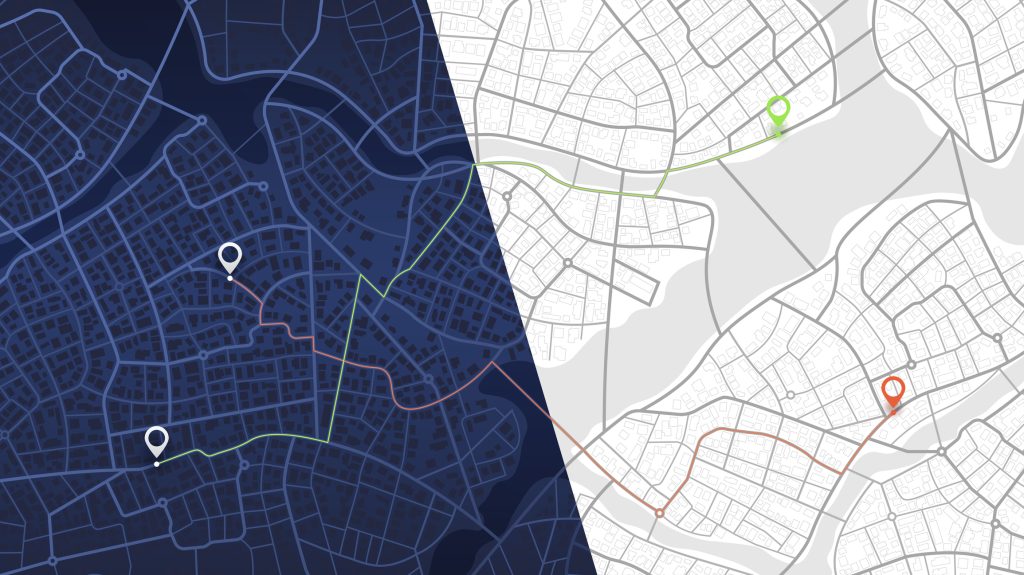
Empowering Geospatial Practitioners on Databricks

Every organisation, whether managing homes, hospitals, or highways, depends on location. Where things happen shapes why they happen and what we should do next. 

Yet, many teams still treat geospatial data as a specialist discipline locked inside GIS (Geographic Information Systems) tools, accessible to only a few experts This creates silos and delays, when in reality, location is everyone’s business. 

It’s time to bring geospatial intelligence out of the GIS corner and into the Databricks Lakehouse, governed, scalable, and available to every data-driven team. 

With Spatial SQL, Lakeflow, and Unity Catalog, organisations can now turn coordinates into context and context into action, moving beyond static maps to living, real-time insights that evolve with the world.

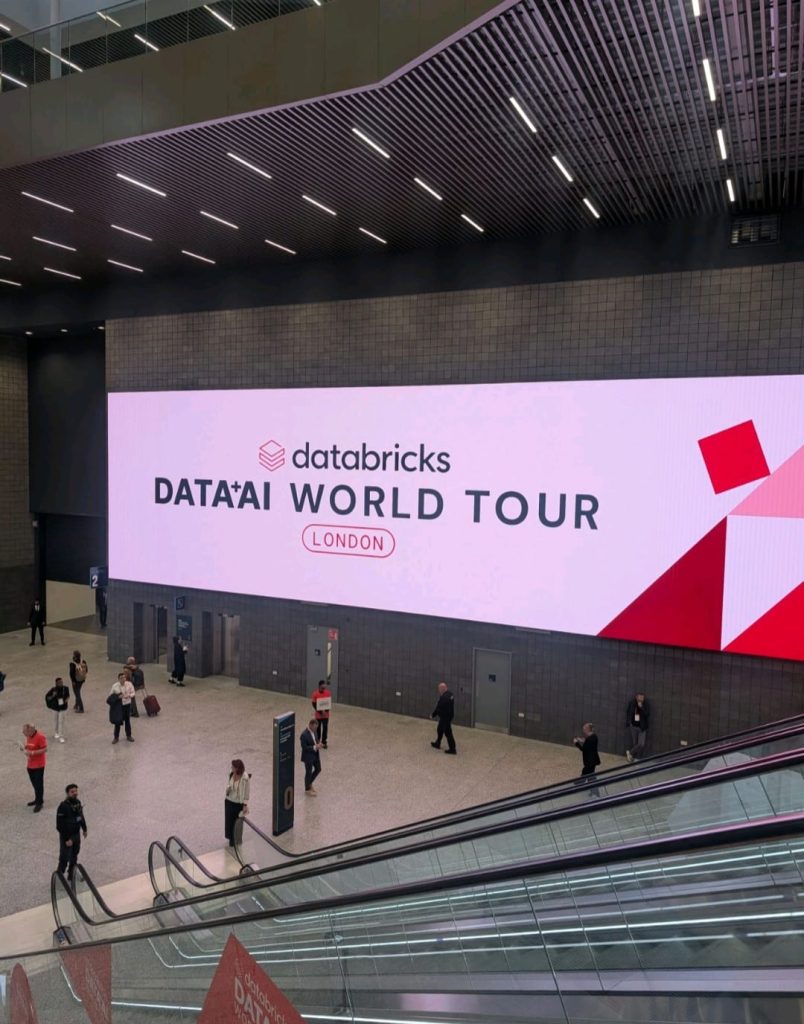
From Inspiration to Innovation: Unifeye’s Takeaways from the Databricks Data + AI World Tour

For Unifeye, the Databricks Data + AI World Tour London was more than an event, it was an experience. A mix of learning, connection, and growth.

The week kicked off with our executive dinner on Wednesday evening, which flowed into the main event on Thursday, and ended on a high with the unforgettable Databricks After Hours boat party, where we were proud to be the Platinum sponsor. Read on to hear some reflections from a few of our team about their day and all they learned.

Open AI + Databricks: Why This Changes the Game for Enterprises

Databricks has just announced secure, governed access to GPT-5, making it possible for enterprises to tap into the latest OpenAI model directly on their data. This isn’t just another AI integration, it’s a shift in how organisations can deploy, optimise, and trust AI across critical business functions.